
We
breathe
soccer
breathe
soccer

As excitement builds ahead of the FIFA World Cup 2026, Tequila Don Julio has unveiled a special activation celebrating the global tournament: the limited-edition Don Julio 1942 FIFA World Cup™ 26 bottle.
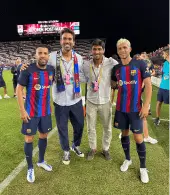
ISL Agency played a key role in the campaign by supporting talent coordination, bringing together two legendary World Cup champions, Thierry Henry and Roberto Carlos, for the global launch.



The activation forms part of Don Julio’s official partnership initiatives around the 2026 tournament and is built around the campaign concept “La Otra Copa” (“The Other Cup”), drawing a symbolic parallel between football’s most iconic trophy and the design of the new bottle.
Created as a collector’s piece for football fans and premium spirits audiences, the bottle features a gold-foil finish and sculpted design inspired by the FIFA World Cup trophy, along with official tournament branding. The limited edition will be available in select North American markets starting in April, retailing at approximately $225.
Through its involvement in talent coordination and campaign support, ISL helped bring together two global football icons with a leading premium brand, contributing to a standout activation celebrating the legacy, culture, and shared moments that define the World Cup.
Nicole León, ISL Marketing Director, unveils the playbook on how sports properties harness and can further leverage digital marketing in their international expansion strategies. Join us for an insightful discussion as Nicole shares key insights and addresses crucial questions, shedding light on the strategies shaping global success in the digital era.
The shifts in consumer behavior within the sports industry are characterized by a substantial move towards non-traditional media channels driven by the acceleration of digital adoption. Approximately 40.7% of global sports fans now choose to stream live sports events through digital platforms. This trend signifies a significant departure from conventional methods of sports content consumption. Furthermore, there is an increased appetite for additional sports content, both related and unrelated to live matches, across an expanding array of platforms.
The demand for content related to live events, such as match announcements, short-term content, and highlights, is nearly as high as the demand for the events themselves. Similarly, non-live sports content, including docuseries and behind-the-scenes footage, has gained traction, attracting not only existing fans but also new audiences. Multi-screen viewing activities have become more prevalent, with the general population increasing its engagement in activities like social media, texting, gaming, and ordering food by an average of 5%, doubling to 10% among Gen Z, even during significant live events.
These shifts emphasize the need for brands and sports rights holders to stay connected to evolving consumer behaviors. As channel and device fragmentation continues to rise, adapting strategies to meet consumers on the right platforms and in the right ways becomes critical for successful engagement and international expansion.
The digital media platforms present football clubs with new avenues to connect and engage with fans in innovative ways directly. The immediacy of these platforms facilitates real-time communication, fostering a sense of community as fans actively participate in conversations, polls, and live events. Additionally, the global reach of digital media allows clubs to transcend geographical boundaries, connect with international audiences, and create a diverse and inclusive fan base. This not only enhances the club’s brand globally but also enables cultural exchange among fans from different regions.
Furthermore, digital platforms enable football clubs to deploy creative engagement methods, such as virtual events, exclusive behind-the-scenes content, and interactive initiatives. These strategies not only capture fans’ attention but also deepen their emotional connection to the club. The ability to personalize content delivery based on fan demographics and interests ensures a more targeted and meaningful engagement. Moreover, the analytics provided by digital platforms empower clubs to understand fan behavior, refine strategies, and make data-driven decisions, continually enhancing the overall fan experience.
In essence, digital media platforms are a dynamic tool that enables football clubs to forge direct connections, foster global communities, and explore innovative avenues for fan engagement.
The biggest challenge for sports properties in digital marketing lies in the fragmented digital landscape, making capturing and retaining fan attention increasingly difficult. As the digital space continues to diversify with various platforms and channels, reaching and maintaining a consistently engaged audience becomes a complex task for sports properties. The competition for fan attention across social media, streaming services, and other digital avenues requires strategic efforts to cut through the noise and deliver compelling content that resonates with diverse audiences.
In the fight for fan attention, the inherent power they possess to connect with fans and cultivate lifetime loyalty makes sports properties stand out. The emotional connection that fans develop with their favorite sports transcends mere fandom; it becomes a deeply ingrained aspect of their identity. This enduring loyalty provides sports properties with a unique advantage in capturing and retaining audience attention in the highly competitive digital landscape.
Additionally, the ability of sports properties, especially clubs, to create appealing and authentic storytelling sets them apart. Effective storytelling goes beyond the game itself, offering narratives that resonate with fans on a personal level. Whether through highlighting players’ journeys, historic moments, or community engagement, authentic storytelling fosters a deeper connection and emotional investment, making sports properties more memorable and compelling in the eyes of their audience.
Attracting younger fans demands a multifaceted approach for sustained engagement and growth. Football clubs can strategically optimize their digital presence by embracing popular platforms like TikTok and Instagram, tailoring content to the dynamics of each channel. Collaborating with influencers who resonate with the target demographic adds authenticity to the club’s messaging, while interactive content fosters active engagement. Aligning the club with broader cultural trends ensures relevance, and leveraging player stories and global community building enhances the overall fan experience.
However, the synergy between digital initiatives and physical engagements with clubs globally amplifies the impact of a young target. Expanding soccer clubs beyond their own territory through initiatives such as Summer Camps, Academies, and others not only fosters a sense of community but also provides tangible, real-world experiences, bridging the gap between the digital realm and reality.
These physical initiatives, complemented by digital ones, not only strengthen emotional ties but also offer opportunities for talent development, allowing clubs to identify and nurture young talents globally. By combining digital and physical strategies, football clubs create a comprehensive approach that reaches young fans on multiple levels, solidifying the club’s presence in their hearts and minds for the long term.
Having a fan base in different countries significantly expands clubs’ opportunities to generate new revenues. For European clubs, building a global fanbase serves as a strategic move to diversify their supporter base, reducing dependence on a single market. By strategically engaging fans through social media, targeted merchandise offerings, fan events, and local partnerships, clubs can cultivate a passionate and loyal following across borders.
A growing global fanbase not only enhances the club’s brand on an international scale but also contributes substantially to long-term sustainability. This diversified support base brings in additional revenue streams through various channels, including increased ticket sales for international matches or pre-season tours, elevated merchandise purchases from fans worldwide, and a boost in digital subscriptions for exclusive content and match streaming. The expansion into new markets not only broadens the financial landscape for clubs but also strengthens their overall resilience and market position in the dynamic world of football.
Developing relationships in other countries can give European clubs access to a vast talent pool. The American football landscape, for instance, has been evolving rapidly, with increased investment in youth development, academies, and professional leagues. By establishing partnerships with American clubs, scouting networks, or investing in youth academies, European clubs can tap into the American talent pool and identify potential players for their teams.
It is important to first understand the market and the culture the club wants to enter; it is not the same to expand in China and the USA, for example. Then, clubs have many possibilities for doing that, from local Summer Camps to international tours and pre-season friendlies with local clubs.
The current sports business landscape in the country, hosting the next FIFA World Cup, Olympics, and other relevant soccer events, presents substantial opportunities for European football clubs.
The United States represents a large and lucrative market where European clubs can strategically position themselves to capitalize on various revenue streams. European clubs can effectively tap into the American market by emphasizing key metrics such as revenue, sponsorship deals, and partnerships. The USA’s vast consumer base, robust economy, and deep-rooted passion for sports create significant opportunities for clubs to diversify their revenue sources beyond their home markets. Exploring avenues like merchandising, licensing agreements, and digital partnerships in the US can lead to additional income streams. Moreover, the increasing popularity of European football in the USA, driven by the growing fanbase and interest in major international competitions, further amplifies the potential for European clubs to strengthen their market presence and financial stability in the American sports business landscape.
The world is watching as football takes over the USA, which is happening not only due to Messi’s arrival but also because of the continuous investment and structuring of their male and female national leagues, the MLS and the NWSL, respectively, and the rising numbers of football, or soccer, fandom all around.
To achieve this status, USA football clubs and leagues have demonstrated excellent marketing and financial strategies, offering valuable lessons for more traditional European leagues.
Fan Engagement
MLS excels in fan engagement through various initiatives, including interactive fan experiences, social media, and community involvement. The marketing and promotion in North America and beyond also stands out.
Angel City FC, an NWSL club with a majority female ownership, is an exemplary model for building a community within a football club from the ground up. The MLS itself is committed to attracting younger fans and creating innovative content, as evidenced by its recent partnership with TikTok.
Sports properties all around the world can be inspired by such activations to expand their global reach and attract new fans, connecting with them on a personal level and building a more engaged and passionate fanbase.
Stadium Atmosphere
While there’s nothing quite like South American hinchas, the MLS and the NWSL have worked on creating a vibrant and family-friendly stadium atmosphere. Attention to every detail enhances the matchday experience, making it more comfortable and special for the fans. Austin FC, one of MLS’s clubs with the most engaged community, also does that by promoting activations like Pride Night.
North Americans have always been industry leaders when it comes to blending sports and entertainment. Basketball has exemplified this approach and become a global benchmark with its fast-paced on-court action, spectacular plays, and exciting events that extend beyond sports. This constant pursuit of the “show” has not only defined the USA sports experience but has also influenced how other sports are approached and enjoyed in the country.
Besides providing more entertaining matchday experiences, traditional leagues and clubs currently face the challenge of improving stadium facilities and promoting fan engagement. The USA offers valuable lessons on how to enhance the overall atmosphere.
Financial Transparency
American leagues have clear guidelines to ensure the league is financially sustainable, with teams following current regulations and promoting transparency. European football can benefit from such measures to ensure that clubs maintain financial stability and comply with fair play.
However, regarding tradition and technical quality, the USA draws much inspiration from South American and European football, which have paved the way for the league’s continued growth.
Technical Quality and Playing Style
LaLiga is known for its technical and possession-based style of play, Brazil for its creativity, attacking style, and skillful dribbling, the Premier League for its fast-paced and physical matches, and the Bundesliga for its attacking football and development of young talent.
The MLS and the NWSL are on the path to defining their own style of play and can learn from all these leagues how to improve the technical abilities of their players and promote a more attractive, skillful brand of soccer.
Talent Development
Especially in Europe, football academies are professionally structured and continuously develop top-level talent, which helps not only to attract audiences to their own leagues but also to improve the clubs’ finances with substantial fees for the transfer of players.
By investing in developing young talent in their academy systems, MLS and NWSL can produce more homegrown talent. It is crucial for the USA’s national football interest and international attention to create its own star players to guarantee sustainable growth and reduce its current dependency on expensive international signings.
International Scouting
European leagues have been successful in scouting and recruiting top international talent, particularly from Latin America and other parts of the world.
The North American leagues are already on the way, learning how to effectively scout and bring in international stars to raise the overall level of competition.
For over 10 years, ISL has been based in the USA and has developed extensive knowledge of how the sports market operates, specializing in translating business strategies and standards from one continent to another.
This expertise is key to helping European sports properties find perfect opportunities to expand to the USA, bridging the gap between each culture to develop projects that facilitate international growth effectively.
Why do you believe the FIFA World Cup is the biggest sporting event in the world?
Although the FIFA World Cup is held every four years, it manages to capture the attention of billions of people from all walks of life and embodies national pride while providing a platform for countries to not only show off their soccer talent but also their culture, history and passion for the game. The World Cup brings people together from all over the world and is the ultimate showcase of the beautiful game filled with the biggest stars vying for the ultimate prize. It is through the significance of the FIFA World Cup that we really understand why soccer is the biggest sport in the world.
What sort of global impact does the FIFA World Cup have across different societies?
FIFA World Cup brings people together and breaks down cultural barriers, racism and social inequality, while creating a sense of unity among different countries. As I experienced in Qatar, during the World Cup, the love for football is all that matters.
What is the economic impact of the FIFA World Cup?
The FIFA World Cup has a significant economic impact, both for the host country and for the global economy. During the tournament, the host country experiences a boost in tourism as millions of fans travel to attend the games, stay in hotels, and eat at local restaurants. This leads to an increase in local economic activity, such as job creation, and can help to boost the country’s overall economic growth.
In addition to the direct benefits for the host country, the World Cup also has indirect economic benefits through increased media exposure, sponsorship deals, and the sale of merchandise and memorabilia. These factors can help to promote the host country’s brand and attract further investment.
The FIFA World Cup is one of the most lucrative sporting events in the world, with the total revenue generated by the event estimated to be over fourteen billion dollars through broadcasting rights, sponsorships, and ticket sales.
What are the different types of stakeholders involved in the FIFA World Cup?
Typically, it would be the host country, FIFA, and LOC (Local Organizing Committee). FIFA is the governing body of the tournament and is responsible for organizing other events such as the Women’s World Cup, FIFA Club World Cup and others. The LOC is responsible for organizing different events such as the opening ceremony, promoting the tournament, and generating revenue; while the host country is responsible for organizing the tournament, providing training facilities and transportation during the competition. FIFA has 6 different continental confederations: AFC (Asia), CAF (Africa), CONCACAF (North and Central America and the Caribbean), CONMEBOL (South America), OFC (Oceania), and UEFA (Europe).
Read Monica Aguado’s, Humas Resources and CFO, insightful comments about the importance of corporate meetings on an era where remote work is growing fast and is not going anywhere anytime soon.
1. First of all, can you tell us about your job as HHHR & CFO Director?
I’ve been working with ISL since the company was founded, back when it didn’t even had an Human Resources structure. It has been a big challenge to create and shape this department; it definitely has been a learning experience and it’s amazing to see how far we’ve gotten. Part of my daily tasks also includes hand-in-hand work with the CEO preparing financial reports and tracking the cash flow which is crucial to make strategic decisions.
2. Taking into account that currently most of ISL’s employees work remotely, do you consider that corporate meetings are important?
During COVID times, ISL was introduced to remote work; nowadays most of the team works remote or hybrid. Because of this, many team members interact only virtually with the rest of the team. We consider that corporate meetings, now more than ever, are a must in our annual calendar of activities.
3. Which is the main objective of a corporate meeting?
The main objective of a corporate meeting is to boost physical and emotional experiences that we may lack in a daily basis. To achieve this, during corporate meetings we organize team building activities, meetings where we recap annual results and share future projections, luncheons and other interactive activities.
.4. How many corporate meetings a year do you think are necessary for ISL?
We’ve always aimed to held 2 corporate meetings per year and we hope to maintain this frequency, even though the company keeps growing and it’s hard to find a few days in the calendar where the whole team can meet.
Read Pere Segarra’s, our director of talent relationship, take on the current player market, the skills a Professional Player must have to thrive, and the importance of mental health in the football industry.
The market is on fire, especially in MLS. There have been two-star signings for LAFC: Gareth Bale (Real Madrid) and Giorgio Bellnini (Juventus), two European legends who will make a difference in this league.
And as for Europe, there have been several star signings such as Halaan, who has signed with Manchester City, and Pogba’s return to Juve.
Many American players have the potential to enter the European market.
European clubs are interested in having young American promises to make the club grow in the United States, it is a good marketing tool, and obviously, the talent in the United States is increasing.
2. What skills should have a Tandhem player to represent him?
We mainly value the player’s professionalism and his commitment to his career. We also highly value the player’s projection and talent, but his dedication is critical.
You must be mentally strong and aware that there will be times that are tougher than others. We also consider his education and his closest environment, which are a support rather than a burden on his way.
3. And regarding mental health, is it essential that high-performance athletes take care of it?
Mental health is a taboo subject among footballers, which is not talked about enough, and it is the key and the big difference between a professional and non-professional player.
I recommend it to any player who feels that he doesn’t know how to handle pressure well, criticism, who has more negative thoughts than usual…
Certain players are affected much more than others, and due to their ego, they prefer to keep this fight quiet, and all they do is harm themselves.
Resorting to professionals will always provide a more significant improvement than any advice from someone who is not specialized.
4. Do the big teams consider physical and mental health when they are interested in a player?
Yes, both aspects are of vital importance for the clubs. The scouts of any club monitor not only the player on the field, but also his mental state, which I mentioned before: his environment, family, education…
The clubs have it very present. They discard the player if they believe that the player is confrontational or will not fit in well in the locker room because of his behavior.
Talent is what weighs the most in the balance, but each case must be taken into account individually.
On a physical level, they also study if the player has any irregularity that could cause future injuries or reduce his performance. Many millions are invested for each footballer, and the team takes care of even the smallest detail so that the operation is successful.
After the announcement of the next friendly matches of FC Barcelona in the USA, we have sat Bruno Díaz, Director of ISL’s Tours & Friendlies department, in the hot seat to find out more:
1. First of all, tell us about your work as Director of ISL’s Tours & Friendlies department.
It’s very exciting to help the clubs organize their preseasons.
We work with European, American, and Latam clubs to find each region’s best potential-friendly games.
It’s an essential time of the year for the sport and commercial departments of the clubs.
2. What are the objectives of friendlies?
Friendly games are crucial from a sports and commercial point of view.
During this time, the teams prepare themselves for the next season.
Playing against teams from different countries is always interesting.
From a commercial POV, clubs use these international tours to create brand awareness and gain more fans worldwide.
3. We recently announced a friendly match. Do you think there will be more news this season?
After two difficult years of COVID restrictions, we will finally see a lot of international games in the US and Europe for our clients.
It will be a busy summer for our team.
4. Are these matches essential for clubs?
They all need to play games to be prepared for the next season, and commercially speaking, it’s always a good source of revenue for the teams and a perfect occasion to win over more fans abroad.
After a year of rigorous selection and scouting at the LaLiga Select Talent IDs and jetting off to Madrid with 118 talented young North American footballers to spend two weeks training in the Spanish capital in the second phase of the program, 3 players have been selected, and offered scholarships by LaLiga Select to continue their journey in Spain and spend two weeks training with LaLiga youth teams to further learn and grow into professional level players.
The players trained at the academies of three LaLiga Santander clubs: RC Celta, Deportivo Alavés and Levante UD. Here, the young soccer players lived the experience of being part of three of the best LaLiga academies, trained with their coaches, learned their methodologies, and experienced various activities and the culture of their host cities.
LaLiga Select, the first talent detection project launched by ISL and an international soccer organization in North America, landed in Spain in March to train 118 young players from the USA and Canada. The players were selected by LaLiga Grassroots scouts from a total of 12,000 participants across 14 events and tournaments across the US since January 2021.
“It is an honor to see LaLiga Select players train at clubs like Celta, Alavés and Levante. We knew it was a program with a lot of potential that was not only going to give opportunities to footballers, but also to LaLiga clubs that can now attract North American talent. We are sure that Jacobo, Abraham, and Everton will be an example for other athletes who dream of being able to play in Spain,” says Alex Isern, CEO & Co-Founder of ISL Agency.
Next month ISL and LaLiga Select will kick off it’s tour of the US in search of new talent at the upcoming Talent IDs and encourage young, passionate players to sign up as spots are limited.
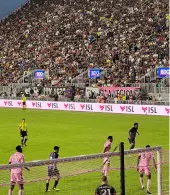
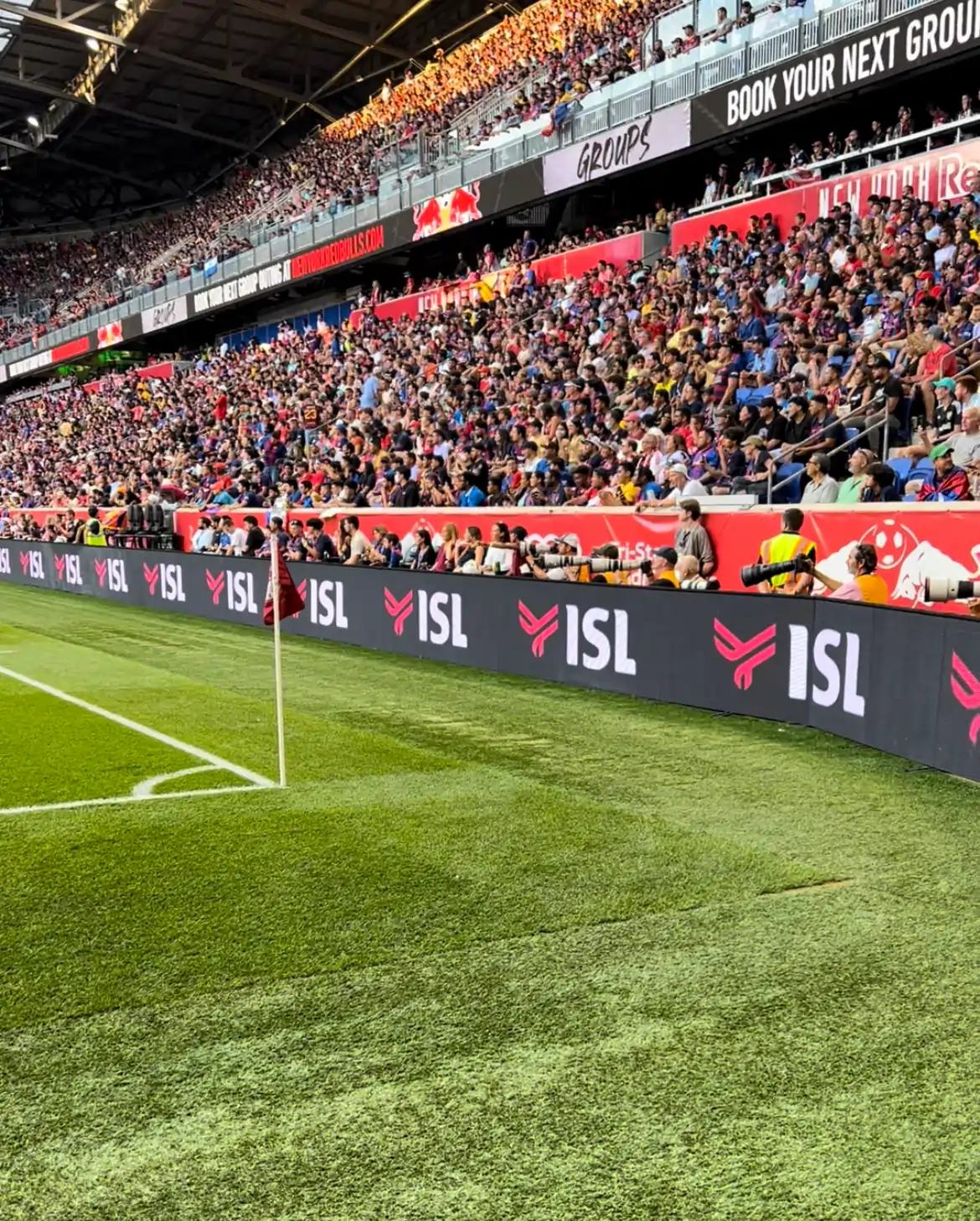
FC Barcelona has announced that they will travel to the United States this summer for the club’s pre-season tour. The club has collaborated with the ISL agency to close its first two games against Inter Miami FC and New York Red Bull of MLS.
The matches will take place on July 19 at the DRV PNK Stadium in Miami and on July 30 at the Red Bull Arena in New York. FC Barcelona approaches positions with the executive roles of the MLS and ensures for the first time two meetings with two of the most influential clubs in the North American League.
“Working alongside the MLS and two of its most popular clubs in the league, Inter Miami and New York Red Bull, has been instructive in finalizing the summer tour of FCBarcelona in the US.” Said Marc Segarra, ISL Managing Partner
“This marks a significant milestone for international soccer and sets a precedent for future clubs looking to capitalize on the US soccer market’s opportunity successfully. “ Said Alex Isern, ISL CEO
FC Barcelona has not played against New York Red Bull since 2008 and it will be the first time in history that FC Barcelona faces Beckham’s Inter Miami. In both cases, it is expected that the stadiums will be filled with both the MLS club and the Catalan team’s fans, who will have the opportunity to see Xavi’s Barça play in Miami and New York.
Over a decade ago, two best friends from Barcelona who graduated from
Winthrop University with honors and an NCAA Big South Soccer
Conference championship on their shoulders had an idea to change the
soccer landscape in North America for good.
With the support of Andres Manzano and UE Cornella, the journey
began while still in college, when they organized their first-ever soccer
activity on American territory. Over 80 children from the Carolinas
attended the winter camp,—— where they were able to explore, live, and
experience soccer in the same way that Marc and Alex did as
youngsters in Spain.
The mission was clear. Build the most robust, professional, and trusted pipeline
between the European and the US soccer market so they could both benefit
from each other.
And the vision was simple, becoming a referent in the production, organization,
and mediation of world-class soccer events across the Atlantic.
As a kick-off of their partnership, ISL prepared its first-ever campus summer
route across the East Coast. Nashville, Louisville, Birmingham, Charlotte,
Raleigh, Greensboro, and Richmond.
At that time, it was a very (but significantly) small company; that’s why Marc and
Alex acted as Project Manager, Event planner, and chaperone. Marc’s mother
took care of each of those children as if they were her own, doing the breakfast
and laundry.
That first international experience in Barcelona was ISL at its core. Professional, caring and unique.
During the summer of 2015, ISL was allowed to operate and manage FCBarcelona’s
soccer camps and international experiences.
FC Barcelona gave five markets for ISL to fill up the camps and provide a lifetime soccer
experience to all its participants. Louisville, Cincinnati, Charlotte, Richmond, and
Raleigh were the first cities. The rest is history.
In the meantime, ISL was working with his first client outside FC Barcelona, Xavi
Hernandez, to help him develop a training tool to help thousands of players improve their passing and controlling skills.
Oscar Grau, who ended up being the General Director of Barça, attended the
presentation in person along with the Deputy Manager of the city of Charlotte, Ron
Kimble.
In the upcoming years, ISL will focus on growing FCBarcelona’s summer camps, the
international experiences, and the soccer academy business. In a short period, ISL
managed over 10,000 participants across all of their activities surpassing the $10
million income threshold for the first time in less than four years of operation.
ISL grew up, and with it, its team (divided between Spain and the United States)
decided to open its Headquarters in Miami, Florida, during the summer of 2019 and
open three new services; Exhibition Games, Sponsorship Brokerage, and Talent
Management.
Thanks to ISL’s adaptability, it closed several exhibition games and sponsorship deals, keeping ISL afloat.
In January 2021, LaLiga betted on his ideas and created LaLiga Select: A new project to discover talent in the United States.
You have surely heard of NFTs. Surely you have listened to that Messi, Luis Suarez, and Modric created their own NFTs and were bestsellers within hours. Well, they did it together with Ethernity. Did you know that too? Epic.
ISLs core values are intact and continue to carry on our business to new heights; Integrity, Passion, Versatility, Ambition, Teamwork, Perseverance, and Empathy.
Who would have told us when we started that we would be in such a privileged position doing something meaningful while working with the biggest in the sports industry?
It is still hard to believe, but we have no doubt what brought us to this point; Believe, Humility, Respect, Hard work, Resilience, and Unconditional love for what we do and who we do it for/with.
Always grateful. Always thriving. Always ready.
Witness greatness. Witness ISL.
Marc, Alex, Bobby and team ISL.
Next Page »