We
breathe
soccer
breathe
soccer

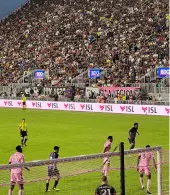
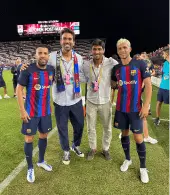
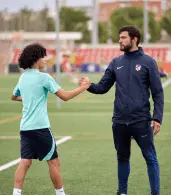
Pepe Nogues is the Director of the Barça Academies managed by ISL across the USA.
Every year, Pepe organizes and coordinates a team of 6 people, responsible for 2,000 aspiring your soccer players in 6 different states of the United States.
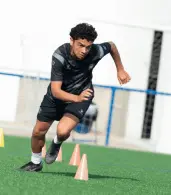
The Barça Academy US includes boys and girls between the ages of 5 and 18, and offers all year long soccer programs and events and tournaments, with the goal of developing new soccer talent and spreading the FC Barcelona sports’ values.
Ever since the COVID-19 pandemic hit the world, the Barça Academy’s dynamic has been affected, as have most sports activities.
The esports popularity keeps growing and it is expected to reach over half a million viewers in 2023.
We have designed a pretty solid BA calendar that we use as guidance to plan and organize in advance for the following year/s. It is true that, since we operate in different states, different regulations apply, therefore adaptations also need to be made accordingly.
Well, when the pandemic hit and new safety measures were dictated by health departments and soccer federations, the whole operational model had to be quickly re-edited. Changes such as: carefully managing cash flows, adapting from tryouts to renewal strategies, expanding our customer base experience, rewriting policies… to make it short, almost everything changed in a way.
We received great support from FCB on the new coaching models that were applied through virtual training and online learning experiences.
There have been 3 major challenges I should point out:
1) Adapting our teaching & learning model to virtual trainings.
2) Creating a Covid Committee and adding experts on the matter.
3) Applying strict safety measures to get back on the field.
Timing was one of the biggest issues I faced. The quick decision making was critical because at the very beginning no one had the absolute truth on how things should be run. I had to quickly provide new guidance for my team, for them to provide guidelines to their staff, players and families.
Very strict safety measures were applied on the “get back to the field phase”. We literally looked like a moving hospital giving soccer lessons. We purchased so much sanitary equipment and materials that our coaches looked like doctors. Gloves, masks, sanitary stations, temperature check points, covid control cases, etc… It was a challenge but I can gladly say that we did an amazing job in this matter.
I have to give full credit to the local staff because they reinvented themselves. It was not only the leadership team providing new guidance, but technical directors and coaches reaching out sharing great thoughts and ideas to engage with players and families in this new and challenging adventure. It was definitely difficult at the beginning to get high rates of players’ attendance, but as we shared on social media how we were safely operating, players and families started to trust the method and found the strength to get back on the field despite the pandemic.
The pandemic and new operational model obviously raised a lot of questions and concerns to parents & families. They were mostly concerned about financial support and about the safety for their kids which we took very seriously and responded to the best of our capabilities. We have to THANK them all because a great deal of understanding and comprehension was shared by the majority of the families.
The impact of the coronavirus pandemic is far more severe than many people want to recognize. We do still face challenges that the pandemic continues to present such as cancelling very important regional and national tournaments that are critical for completing the competitive cycles, or directly affecting international travel which blocks players and families from discovering and experiencing different soccer cultures.